
Registering a vehicle is a mandatory legal requirement for every vehicle owner in Madhya Pradesh. Whether you have purchased a new car, bike, or commercial vehicle, understanding the complete process ensures a hassle-free experience. The process of mp rto registration involves submitting documents, paying applicable fees, and obtaining a Registration Certificate (RC) from the Regional Transport Office.
Governed by the Ministry of Road Transport and Highways, vehicle registration ensures compliance with road safety norms, taxation rules, and ownership verification. In this detailed guide, you’ll learn everything about documents, charges, step-by-step procedures, and expert insights to make the process smooth.
What is MP RTO Registration?
MP RTO registration is the official process of registering your vehicle with the Regional Transport Office in Madhya Pradesh. Once completed, you receive a unique registration number and a Registration Certificate (RC), which serves as proof of ownership.
Without proper registration, driving a vehicle on public roads is illegal under the Motor Vehicles Act.
Types of Vehicle Registration in Madhya Pradesh
Understanding the type of registration required is crucial:
1. Temporary Registration
Issued by the dealer
Valid for 7 to 30 days
Allows you to drive until permanent registration is completed
2. Permanent Registration
Issued by the RTO
Mandatory for long-term vehicle use
Comes with a lifetime validity (for private vehicles)
3. Transfer of Ownership
Required when buying a second-hand vehicle
Ensures legal ownership transfer
4. Renewal of Registration
Required after 15 years for private vehicles
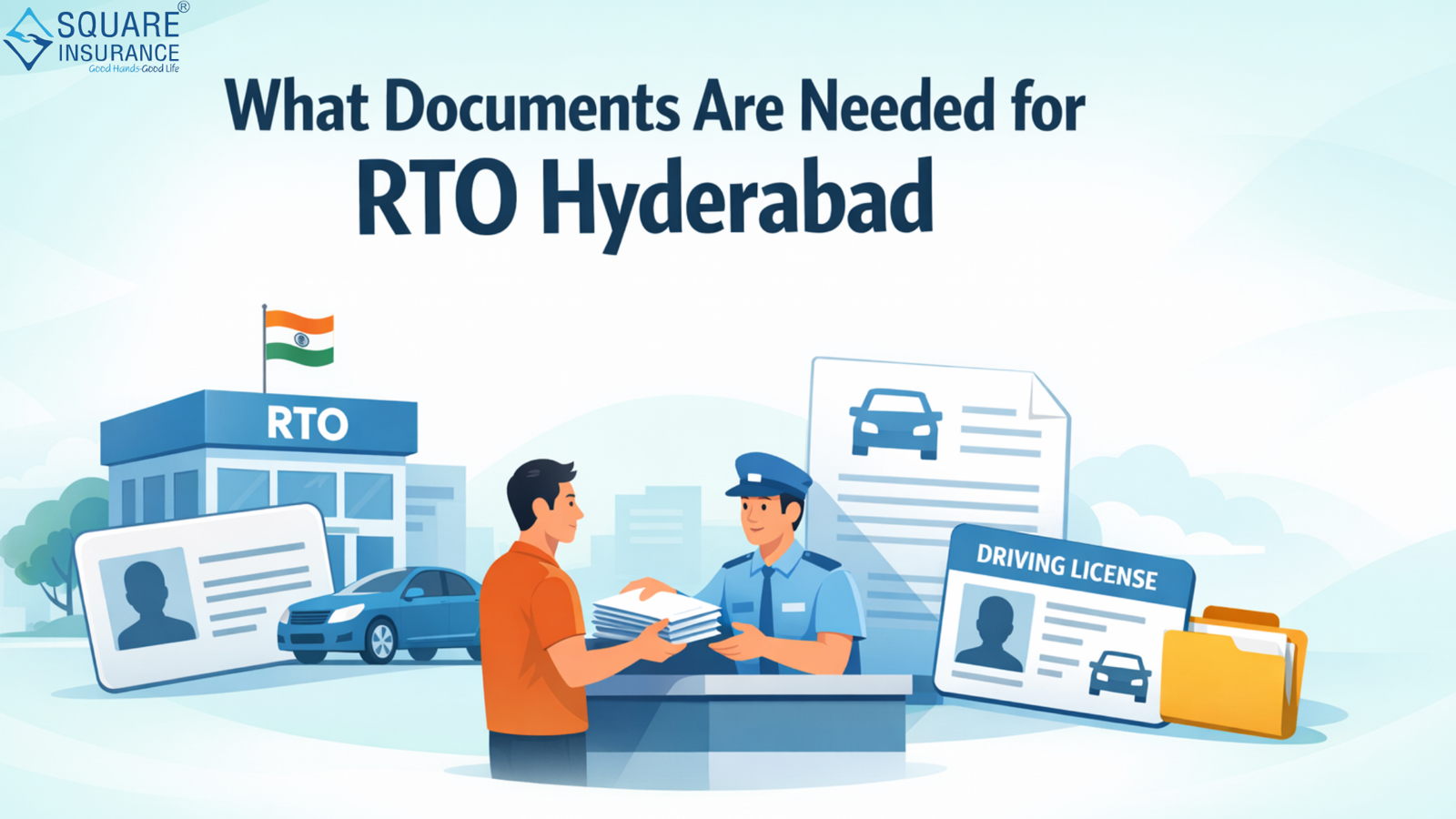
Documents Required for MP RTO Registration
To complete your registration without delays, ensure you have the following documents ready:
Form 20 (Application for Registration)
Form 21 (Sale Certificate issued by dealer)
Form 22 (Roadworthiness Certificate)
Valid identity proof (Aadhaar, PAN, etc.)
Address proof (utility bill, voter ID, etc.)
Insurance certificate (valid motor insurance policy)
Temporary registration number
Invoice of the vehicle
Pollution Under Control (PUC) certificate
Passport-size photographs
For financed vehicles:
Form 34 (Hypothecation agreement with lender)
MP RTO Registration Fees Structure
The registration cost depends on vehicle type and category. Below is a general breakdown:
1. Registration Fees
Two-wheelers: ₹300 – ₹500
Cars (Private): ₹600 – ₹1,000
Commercial vehicles: ₹1,000 and above
2. Road Tax
Road tax is a major component and varies based on:
Vehicle cost
Fuel type
Usage (private or commercial)
3. Smart Card Fee
₹200 – ₹300 (for RC smart card)
4. Hypothecation Charges
₹1,500 (if vehicle is financed)
5. Number Plate Charges
₹230 – ₹500 (High-Security Registration Plate)
Step-by-Step Process of MP RTO Registration
Step 1: Vehicle Purchase
The process begins when you purchase a vehicle from a dealer. Most dealers initiate temporary registration.
Step 2: Document Submission
Submit all required documents either through the dealer or directly at the RTO.
Step 3: Payment of Fees
Pay applicable registration fees and road tax at the RTO or through the online portal.
Step 4: Vehicle Inspection
An RTO inspector verifies the vehicle details such as chassis number and engine number.
Step 5: Registration Number Allotment
Once verified, a unique registration number is assigned.
Step 6: RC Issuance
The Registration Certificate (RC) is issued in the form of a smart card and sent to your registered address.
Online Process for MP RTO Registration
Digital transformation has made the process more convenient. You can initiate registration through the Parivahan Sewa Portal.
Steps to Apply Online:
Visit the Parivahan portal
Select “Vehicle Registration” services
Fill in required details
Upload documents
Pay fees online
Book an appointment for inspection (if required)
This reduces paperwork and saves time.
Important Points to Remember
Ensure all documents are valid and updated
Double-check chassis and engine numbers
Always keep a copy of payment receipts
Registration must be completed within the temporary registration period
Driving an unregistered vehicle may lead to penalties
Benefits of MP RTO Registration
Legal compliance with government regulations
Proof of ownership
Eligibility for insurance claims
Smooth resale or transfer process
Access to government transport services
Common Challenges and How to Avoid Them
1. Document Errors
Incorrect or incomplete documents can delay the process. Always verify before submission.
2. Delayed Inspection
Schedule inspections early to avoid last-minute issues.
3. Wrong Fee Calculation
Check updated fee structures to avoid overpayment or rejection.
Frequently Asked Questions (FAQs)
Q1. How long does MP RTO registration take?
It usually takes 7–15 working days after document submission and verification.
Q2. Is it mandatory to register a vehicle in MP?
Yes, vehicle registration is compulsory under Indian law.
Q3. Can I transfer my vehicle registration from another state to MP?
Yes, through the re-registration process after obtaining a No Objection Certificate (NOC).
Q4. What happens if I don’t register my vehicle?
You may face fines, penalties, or legal action.
Q5. Can I check my registration status online?
Yes, you can track it through the Parivahan portal.
Q6. Is insurance required for registration?
Yes, a valid motor insurance policy is mandatory.
Conclusion
Completing your MP RTO registration is an essential step that ensures legal ownership and smooth usage of your vehicle. From submitting documents to paying fees and receiving your RC, every step plays a crucial role in compliance. By understanding the process and avoiding common mistakes, you can complete your registration without stress.
For added convenience in managing your vehicle-related insurance and documentation, Square Insurance offers reliable solutions that simplify policy handling and ensure you stay protected at every step.
Please Note: - Manage your policies easily with Square Insurance POS Apps on Google Play online anytime, anywhere.



Write a comment ...