
Vehicle ownership in India comes with several mandatory financial obligations, and one of the most important among them is road tax. The road tax is a state-level levy imposed on vehicle owners for using public roads, and it is a crucial part of vehicle registration and legality.
Vehicle Road Tax in India varies from state to state, depending on factors such as vehicle type, engine capacity, fuel type, cost of the vehicle, and usage purpose. Understanding how it works helps vehicle owners avoid penalties, ensure compliance, and make informed purchase decisions.
What is Road Tax in India?
Road tax is a compulsory tax paid by every vehicle owner to the state government at the time of purchasing and registering a vehicle. It is collected under the Motor Vehicles Act and is used for the maintenance and development of road infrastructure.
This tax ensures that road networks are funded and improved continuously to support increasing traffic and transportation needs across cities and rural areas.
Road tax is generally a one-time payment for private vehicles, but in some states, it may also include lifetime tax or periodic renewals depending on vehicle type.
Why is Road Tax Important?
Road tax plays a significant role in maintaining transportation infrastructure in India. Without it, state governments would struggle to fund road construction, repairs, and upgrades.
Key reasons why road tax is important:
It supports road construction and maintenance projects
It contributes to traffic management systems
It ensures proper vehicle registration and legal usage
It helps regulate vehicle ownership across states
Paying road tax is not just a legal obligation but also a contribution to better road safety and infrastructure.
How is Road Tax Calculated in India?
The calculation of road tax is not uniform across India. Each state has its own taxation structure. However, some common factors influence the tax amount:
1. Vehicle Type
Private cars, commercial vehicles, bikes, and heavy vehicles have different tax slabs.
2. Engine Capacity
Vehicles with higher engine capacity usually attract higher tax.
3. Fuel Type
Petrol, diesel, CNG, and electric vehicles may have different tax rates.
4. Vehicle Cost
Expensive vehicles often fall into higher tax brackets.
5. Usage Purpose
Commercial vehicles are taxed differently compared to personal-use vehicles.
6. Seating Capacity
In commercial vehicles, seating capacity can also influence tax rates.
Types of Road Tax in India
There are mainly two types of road tax systems followed in India:
1. One-Time Road Tax
Most states collect road tax as a one-time payment during vehicle registration. Once paid, no annual tax is required.
2. Annual Road Tax
Some commercial vehicles or specific categories require yearly renewal of road tax based on usage.
State-Wise Variation in Road Tax
Since road tax is a state subject, the rates differ significantly across India. For example:
Metropolitan cities often have higher road tax due to infrastructure demand
Smaller states may have relatively lower tax rates
Electric vehicles are increasingly getting tax exemptions or concessions in many states
This variation makes it important for buyers to check state-specific rules before purchasing a vehicle.
Road Tax for New vs Used Vehicles
New Vehicles
For new vehicles, road tax is calculated based on the invoice value and is paid at the time of registration.
Used Vehicles
For used vehicles, road tax depends on transfer rules, depreciation, and remaining tax validity. In many cases, re-registration in a new state may require additional tax payment.
How to Pay Road Tax in India?
Vehicle owners can pay road tax through both online and offline methods.
Online Method:
Visit the official transport department portal of the respective state
Enter vehicle details such as registration number and chassis number
Calculate applicable tax
Make payment through digital modes like net banking, UPI, or cards
Download receipt for future reference
Offline Method:
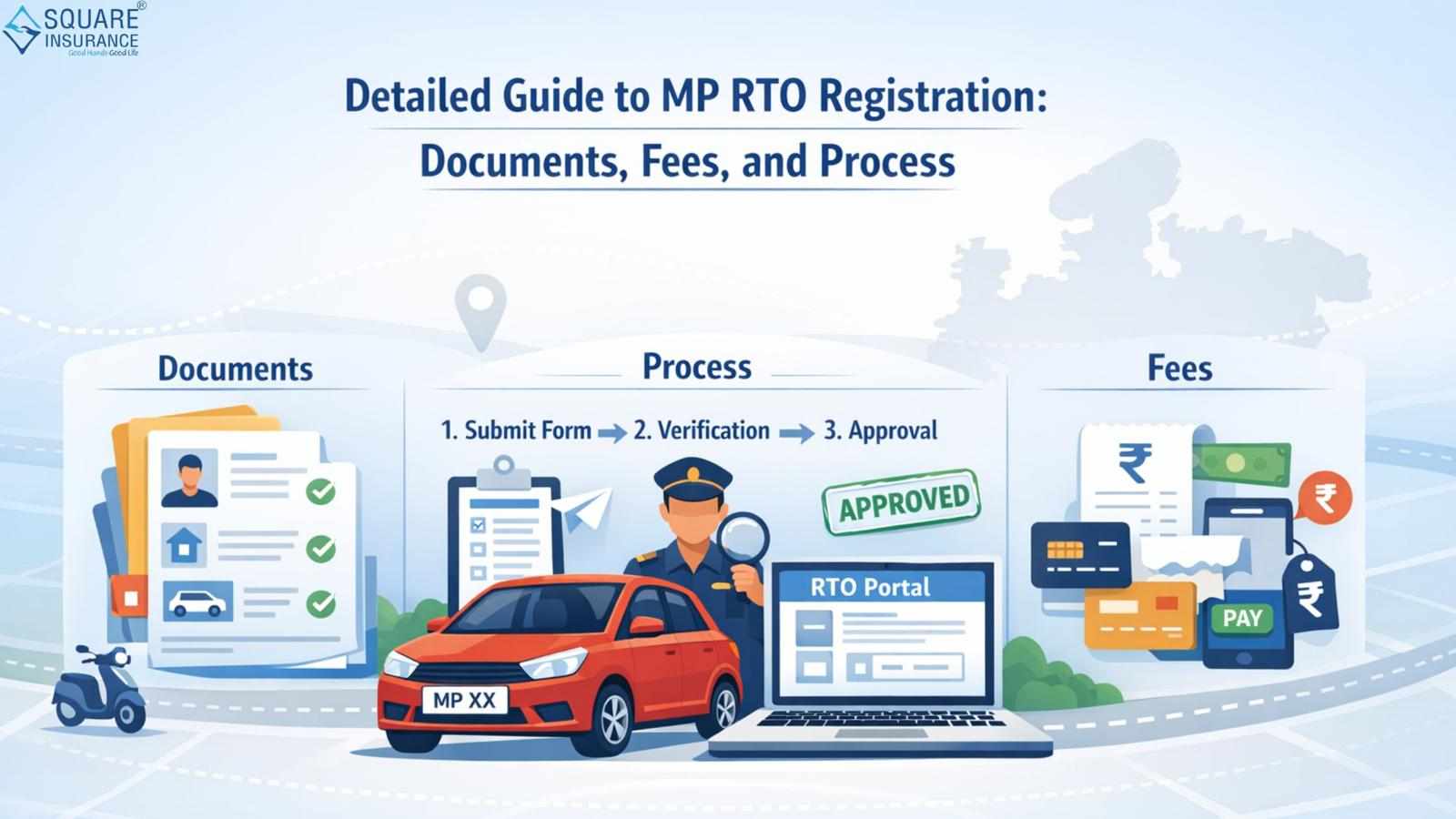
Visit the Regional Transport Office (RTO)
Submit required documents
Pay tax at the counter
Collect receipt after payment confirmation
Documents Required for Road Tax Payment
To pay road tax, vehicle owners generally need:
Vehicle Registration Certificate (RC)
Purchase invoice
Identity proof
Address proof
Insurance certificate
Pollution Under Control (PUC) certificate
Having these documents ready ensures a smooth payment process.
Penalties for Not Paying Road Tax
Failure to pay road tax can lead to serious consequences:
Heavy fines and penalties
Vehicle seizure by authorities
Interest on delayed payments
Legal complications during resale or transfer
It is always advisable to pay road tax on time to avoid unnecessary financial and legal issues.
Road Tax Refund in India
In some cases, vehicle owners may be eligible for a road tax refund, such as:
Vehicle shifting to another state permanently
Double taxation cases
Scrapping of the vehicle under government schemes
However, refund policies vary by state and require proper documentation and approval.
Benefits of Paying Road Tax on Time
Timely payment of road tax ensures:
Legal compliance for vehicle usage
Smooth transfer or resale process
Avoidance of penalties
Contribution to better road infrastructure
Peace of mind for vehicle owners
Frequently Asked Questions (FAQs)
Q1. Is road tax compulsory in India?
Yes, road tax is mandatory for all vehicle owners in India as per state transport regulations.
Q2. Is road tax a one-time payment?
In most states, it is a one-time payment for private vehicles, but commercial vehicles may require periodic payments.
Q3. Can road tax be paid online?
Yes, most states in India provide online portals for convenient road tax payment.
Q4. What happens if I don’t pay road tax?
Non-payment can lead to penalties, fines, and even vehicle seizure by authorities.
Q5. Is road tax refundable?
Refunds are possible in certain cases like inter-state vehicle transfer or vehicle scrapping, subject to state rules.
Conclusion
Understanding road tax is essential for every vehicle owner in India, as it ensures legal compliance and contributes to the development of road infrastructure. Since road tax rules vary across states, staying informed helps avoid penalties and simplifies vehicle ownership responsibilities.
For smooth financial planning and vehicle-related insurance support, platforms like Square Insurance can help vehicle owners manage policies efficiently while staying compliant with regulatory requirements.
Please Note: - You can easily manage and track your insurance policies anytime, anywhere using the Square Insurance POS App available on Google Play Store.




Write a comment ...